
Tackle LIFE Case Study – Autumn Term 2025
The problem:
The needs of young people change on a regular basis. The vast demands placed on them by their education setting, and social or domestic environments can affect their ability to thrive in the classroom.
These demands on a group of year 8 students contributed to their challenging behaviour, resulting in multiple and consistent removals from lessons. The longer these students were out of the classroom, the greater the impact on their education. Senior leadership identified 11 students with the highest negative behaviour points in year 8 who would benefit from an intervention. All students had issues with important soft skills such as respect, inability to manage or regulate their emotions and impulsive behaviour choices.
The solution:
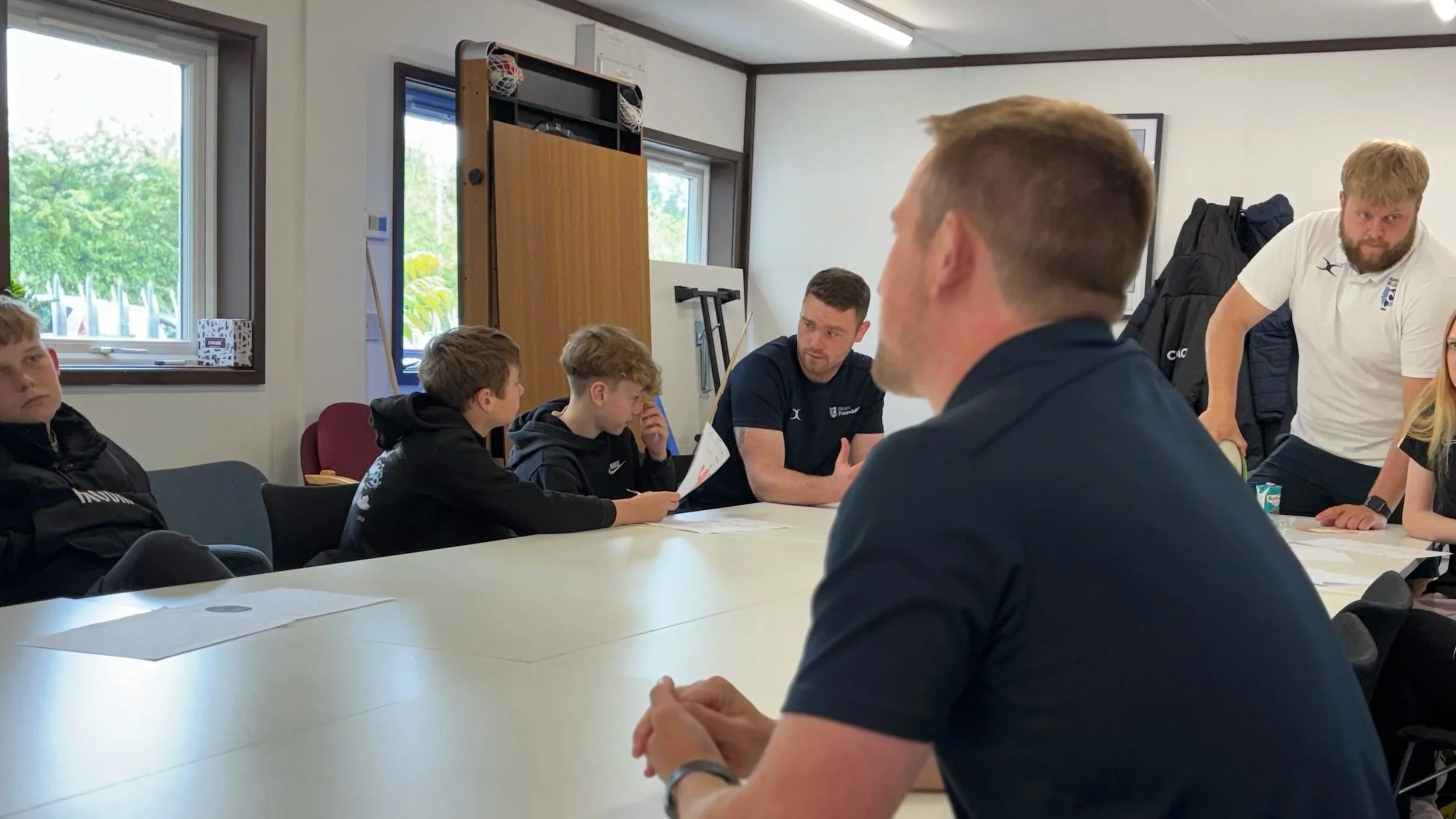
Focusing on the importance of communication, body language, leadership, our team have been working with the group to facilitate group discussions and tasks to promote teamwork. Sport has been integral to the intervention, using physical activity as an outlet to boost their wellbeing, and also put some of the lessons learnt into practice. Boosting physical activity is a core strand of the programme, the benefits of being active have a significant impact on the classroom, helping regulate behaviour, stress and concentration.
Together, the group took key lessons from the workshops to create their own game. This was designed to bring to life the skills developed over their first ten weeks deliver their game to staff from the school. This forced the students out of their comfort zone, consider their communication and messaging, as well as their leadership skills.
The Impact:
The impact of Tackle LIFE has been clear across both wellbeing and behaviour. Over the 10‑week programme, students reported noticeable improvements in their resilience, communication, and emotional regulation, with self‑assessed scores rising by an average of 1 to 1.5 points. They also demonstrated stronger leadership and employability skills, increasing by 0.6 after the first block.
School staff observed meaningful behavioural change during the intervention. Class removals reduced, positive behaviour points increased, and students began returning to lessons more settled and ready to learn. The combination of focused workshops and structured physical activity played a significant role in improving students’ ability to manage stress, stay engaged, and maintain concentration throughout the school day.
These shifts not only supported better classroom behaviour but also contributed to improved overall wellbeing, helping students feel more confident, more connected, and better equipped to thrive in school.
Students said:
‘I have more respect for the people around me’
‘I have better communication and understand how my body language can affect others’
‘I can sit for longer in the classroom, and I can tell my work has improved’